Overview
The power grid is undergoing a structural transformation driven by increasing electrification across sectors, including the rapid adoption of EVs and the growing energy intensity of data centers as new loads. As transmission expansion lags behind load growth, congestion risks and operational bottlenecks emerge. The interconnected nature of the grid can exacerbate extreme events, which significantly aggregate operating conditions and increase the likelihood of failures propagating across interconnected areas. Disruptions from cyber or physical sabotage, extreme weather, or operational instability may escalate into widespread outages without adequate resilience measures. Understanding higher-order hypothesized contingencies quantitatively allows for more effective grid expansion planning. As load centers shift and bidirectional power flows expand, new strategies are essential to mitigate risks and enhance adaptability. This webinar will examine the evolving power grid, expansion planning, infrastructure de-risking, and proactive security measures to build a resilient and future-ready energy system.
Speaker Bio
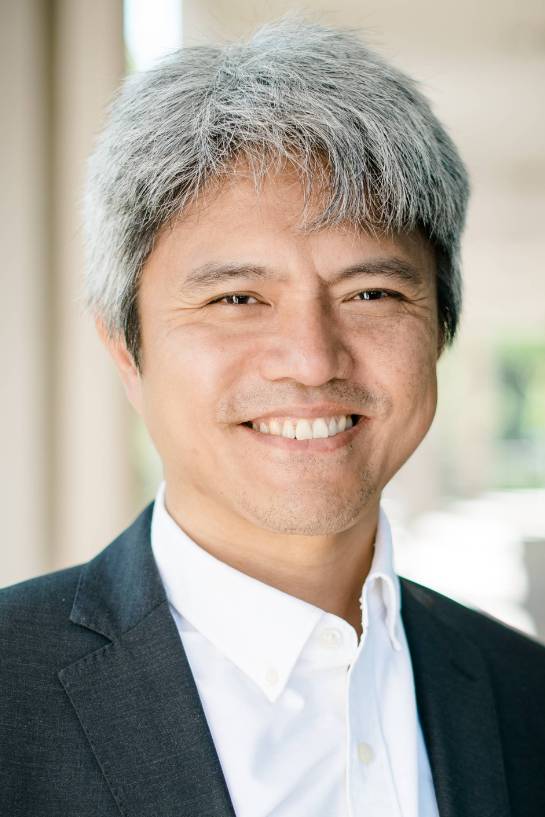
Chee-Wooi Ten is a Professor in the Department of Electrical and Computer Engineering at Michigan Technological University. He received his B.S. and M.S. degrees in Electrical Engineering from Iowa State University and his Ph.D. from University College Dublin. His research focuses on system risk modeling and data science to quantify rare events, with an emphasis on power infrastructure cybersecurity and resilience. His work explores power grid interactions with emerging loads and transportation systems, particularly in the context of technological advancements and evolving energy demands. His recent efforts center on developing cyber-informed security engineering strategies by integrating data-driven and physics-based modeling, validated through steady-state and dynamic approaches to enhance the reliability of bulk power systems.